

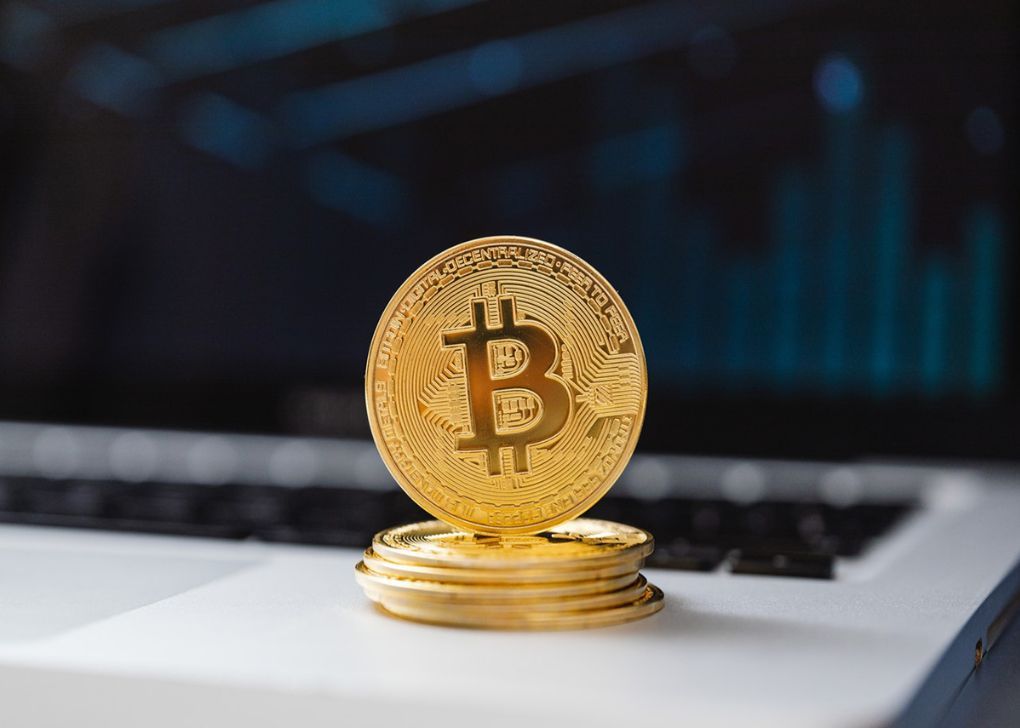
Bitcoin halving is one of the most anticipated events in the world of cryptocurrency. But what exactly does it mean, and how does it affect investors and the broader crypto ecosystem? Let’s dive in to uncover everything you need to know about Bitcoin halving, including its historical significance, its impact on supply and demand, and what it means for the future of Bitcoin.
What Is Bitcoin Halving?
Bitcoin halving is a process that occurs roughly every four years, reducing the block reward that miners receive by half. This means that the amount of new Bitcoin entering the market is reduced, making Bitcoin more scarce. As Bitcoin becomes rarer, its price tends to rise—if demand stays constant or increases.
To understand Bitcoin halving, we need to first understand the process of mining. Miners are responsible for verifying transactions and adding them to the Bitcoin blockchain. In return for their efforts, miners are rewarded with new Bitcoin. When a halving happens, the reward for solving a block is cut in half. This limits the number of new Bitcoin created and released into circulation, effectively lowering its supply.
Why Does Bitcoin Halving Matter?
Bitcoin halvings can have profound effects on the cryptocurrency market, both short-term and long-term. Here are the key reasons why this event matters:
1. Reduced Supply and Increased Scarcity
The most obvious effect of Bitcoin halving is the reduction in the number of new coins being mined. This makes Bitcoin scarcer, which can drive up demand if investors believe that scarcity will lead to higher prices. As Bitcoin’s supply decreases over time, many believe that the price will rise, reflecting its increasing rarity.
2. Inflation Protection
Bitcoin halvings serve as a built-in mechanism to fight inflation. Unlike traditional fiat currencies, which central banks can print more of at will, Bitcoin has a hard cap of 21 million coins. By halving the reward every four years, Bitcoin’s supply grows more slowly, mimicking the effects of a deflationary asset. This helps protect Bitcoin’s value over time, ensuring that its purchasing power remains stable or increases.
3. Impact on Miners
Miners are crucial to Bitcoin’s ecosystem. They not only validate transactions but also secure the network. However, with each halving, the reward for mining decreases. This means miners must have a more efficient operation to remain profitable. If the price of Bitcoin doesn’t rise sufficiently to offset the reduction in rewards, some miners may drop out, leaving only the most efficient operations in the market.
4. Potential for Price Increases
Historically, Bitcoin’s price has risen following halving events. This price increase can be attributed to reduced supply, combined with growing demand from investors who anticipate higher prices. While past performance doesn’t guarantee future results, halvings have traditionally sparked renewed interest in Bitcoin, driving prices upward over time.
The Impact of Bitcoin Halving on Different Participants
Bitcoin halvings affect more than just the price of the cryptocurrency—they also influence miners, investors, and even consumers who use Bitcoin for everyday transactions.
1. For Investors
Many investors see Bitcoin halving as an opportunity to gain, as the reduced supply of Bitcoin often leads to an increase in its price. However, it’s important to note that the effects of halving are often gradual, unfolding over several months or even years. Investors should be cautious and make decisions based on long-term trends rather than short-term price fluctuations.
2. For Miners
As the reward for mining decreases, it becomes more difficult for small miners to remain competitive. Large mining operations, which have more advanced equipment and greater energy resources, are better positioned to thrive after a halving event. This could lead to further consolidation in the mining industry, where only the biggest players survive.
3. For Consumers
Consumers who use Bitcoin as a method of payment may not immediately notice the effects of a halving, except in the price they pay for goods and services. If Bitcoin’s price increases following a halving, consumers may need more fiat currency to purchase the same amount of Bitcoin. However, the overall impact on retail users is less significant compared to investors and miners.
Bitcoin Halving Dates: A Historical Overview
Bitcoin halvings are a predictable part of the cryptocurrency’s lifecycle. Here are the key halving dates and their associated block rewards:
- November 28, 2012: Block reward reduced to 25 BTC.
- July 9, 2016: Block reward reduced to 12.5 BTC.
- May 11, 2020: Block reward reduced to 6.25 BTC.
- April 19, 2024: Block reward reduced to 3.125 BTC (the latest halving).
- 2028: Block reward will further decrease to 1.625 BTC.
The final halving is expected to occur around 2140, when all 21 million Bitcoins will have been mined.
What’s Next? Should You Invest in Bitcoin Before or After a Halving?
Bitcoin halvings are highly anticipated events, and many investors expect the price to rise in the aftermath. However, it’s crucial to remember that cryptocurrency markets are volatile, and there’s no guarantee that prices will always follow historical trends. While Bitcoin has typically risen in price post-halving, it may not always happen in the same way.
For those thinking about investing in Bitcoin during a halving, it’s important to assess your risk tolerance and investment goals. If you believe in the long-term potential of Bitcoin, a halving could be an excellent time to buy. However, like all investments, there are risks involved, and past performance is no guarantee of future results.
The Bottom Line: Bitcoin Halving is a Game Changer
Bitcoin halving plays a crucial role in shaping the future of the cryptocurrency market. By reducing the supply of new Bitcoin, halvings create scarcity, which can drive demand and potentially increase prices. For miners, halvings make it harder to remain profitable unless Bitcoin’s price rises enough to offset the reduced rewards. For investors, halvings represent a potential opportunity to capitalize on the scarcity-driven price increase—but they come with risks.
With halvings happening roughly every four years, the next one in 2028 is already generating excitement. Whether you’re an investor, a miner, or just a casual observer, Bitcoin halvings are events that are likely to have a lasting impact on the cryptocurrency ecosystem.
Disclaimer: The above press release has been provided by a third party. We do not verify or endorse the content and will not be responsible for any inaccuracies, claims, or damages arising from the same.





Leave a Reply