

A Turning Point for DeFi and U.S. Crypto Regulation
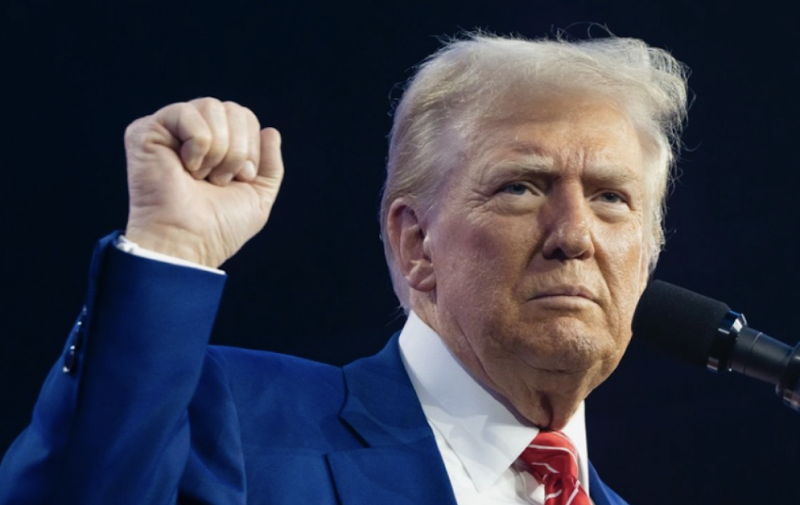
In a landmark move for the digital asset ecosystem, President Donald Trump has signed into law a repeal of the IRS’s controversial rule that sought to classify decentralized finance (DeFi) platforms as traditional financial brokers. Originally enacted under the Biden administration, the rule imposed stringent tax reporting requirements on DeFi protocols—an action widely criticized as unworkable and harmful to blockchain innovation.
With bipartisan support and strong industry backing, this repeal marks the clearest signal yet that the U.S. is pivoting toward a more innovation-friendly crypto policy under the Trump administration. For CEOs, investors, and developers, it’s a green light to accelerate DeFi product development, without the legal ambiguity that has clouded the sector for years.
The IRS Rule That Threatened DeFi
The Biden-Era Policy That Sparked Controversy
Finalized in late 2024, the IRS rule sought to extend broker status to DeFi platforms—forcing them to collect and report user transaction data, including issuing Form 1099 tax documents. The rule, inspired by the 2021 Infrastructure Investment and Jobs Act, was scheduled to go into effect in 2026.
However, the policy failed to account for the decentralized architecture of DeFi. Unlike centralized exchanges like Coinbase or Kraken, DeFi protocols do not hold user funds or know user identities. The requirement to collect sensitive data was seen as not only technically infeasible but also contrary to the ethos of blockchain: decentralization, privacy, and transparency.
Industry Pushback and Global Risk
Crypto developers, privacy advocates, and venture capitalists quickly raised red flags. Many warned that the IRS rule would:
-
Push DeFi projects offshore, where regulation is more favorable
-
Stifle U.S.-based innovation in a fast-moving sector
-
Compromise user privacy with unenforceable data collection
-
Overburden developers with legal risk for protocols they can’t fully control
Even Treasury estimates projected that repealing the rule could cost nearly $4 billion in lost tax revenue over a decade—yet lawmakers and the crypto industry agreed that safeguarding innovation and user privacy were higher priorities.
Congressional Repeal and Trump’s Signature
Bipartisan Momentum Behind Repeal
The repeal resolution was introduced by Republican Senator Ted Cruz and Representative Mike Carey, but it quickly gained bipartisan support—including from Senate Minority Leader Chuck Schumer.
The measure passed both chambers of Congress under the Congressional Review Act (CRA), which allows lawmakers to overturn recently finalized federal regulations. It became one of the first major crypto-focused bills to reach the President’s desk—and the first to be signed into law.
Representative Carey, who attended the signing ceremony, called the repeal “the first real piece of crypto legislation ever enacted” and hailed it as a victory for both privacy and innovation.
Trump’s Rapid Shift Toward Pro-Crypto Policy
Trump wasted no time after re-entering the White House in 2025 to establish a crypto-friendly agenda. Within weeks, his administration:
-
Launched a federal crypto regulation working group
-
Signed an executive order to create a national Bitcoin reserve
-
Initiated efforts to streamline compliance frameworks for digital assets
The repeal of the IRS DeFi broker rule is now the centerpiece of that agenda, signaling a sea change in U.S. crypto policy—away from enforcement-first regulation and toward enabling blockchain innovation.
What the Repeal Means for DeFi Builders, Investors, and Strategists
Immediate Impacts on Compliance and Operations
The repeal relieves DeFi developers and front-end operators from having to:
-
Collect personally identifiable information (PII) from users
-
Issue 1099 forms on behalf of decentralized smart contracts
-
Monitor and report trading activity without backend access or control
This development gives breathing room to thousands of developers building non-custodial wallets, DEXs, liquidity protocols, and on-chain financial services.
Long-Term Implications for Crypto Startups and Capital Allocation
With regulatory pressure lifted, expect a renaissance in DeFi innovation in the U.S.:
-
Crypto startups will face fewer legal roadblocks in going to market
-
VCs and institutional investors may ramp up allocations to U.S.-based DeFi ventures
-
Talent and capital flight to offshore jurisdictions may slow or reverse
This also creates fertile ground for U.S. exchanges, analytics firms, and DeFi interfaces to expand their services without fear of non-compliance penalties.
CEOs Take Note: Strategic Considerations in the Post-Repeal Era
Regulatory Arbitrage Is Shifting Back to the U.S.
For years, U.S. crypto founders have cited regulatory ambiguity as a primary reason for incorporating in jurisdictions like Singapore, Switzerland, or the UAE. With Trump’s repeal of the IRS rule and other pro-crypto moves, the U.S. is regaining its competitive edge in the blockchain race.
Now is the time for U.S. CEOs to revisit their:
-
Jurisdictional strategy
-
Corporate structuring and tax planning
-
Hiring roadmaps for regulatory and compliance roles
Privacy and Technical Feasibility Take Center Stage
The successful repeal also sends a message: regulation must be technically implementable. DeFi operates on smart contracts, not spreadsheets, and user anonymity is a feature, not a bug. Policy must reflect that reality.
CEOs should engage proactively with policymakers and emphasize the importance of:
-
Open-source auditability
-
Smart contract-based compliance tools
-
Privacy-preserving innovation
A Catalyst for On-Chain Tax Solutions
While the repeal lifts burdens, it doesn’t eliminate the IRS’s interest in crypto tax compliance. There’s now a window of opportunity for crypto companies to innovate:
-
On-chain accounting platforms
-
Self-reporting tax tools
-
DeFi-native KYC/AML solutions
Startups that help bridge the gap between innovation and compliance will be especially well-positioned in the coming 12–24 months.
Repeal Signals Crypto’s Return to the American Agenda
The IRS DeFi broker rule’s repeal is more than a win for privacy and decentralization—it’s a strategic inflection point for U.S. crypto policy. For the first time, the federal government has officially walked back a rule seen as anti-innovation, and in doing so, it has empowered the DeFi sector to continue building.
As Trump’s administration doubles down on a pro-crypto stance, the U.S. may reclaim its leadership role in blockchain innovation. For CEOs, founders, and capital allocators, this is the time to move—because in this new regulatory climate, the next wave of Web3 could be made in America.
Disclaimer: The above press release has been provided by a third party. We do not verify or endorse the content and will not be responsible for any inaccuracies, claims, or damages arising from the same.





Leave a Reply